Photograper-i
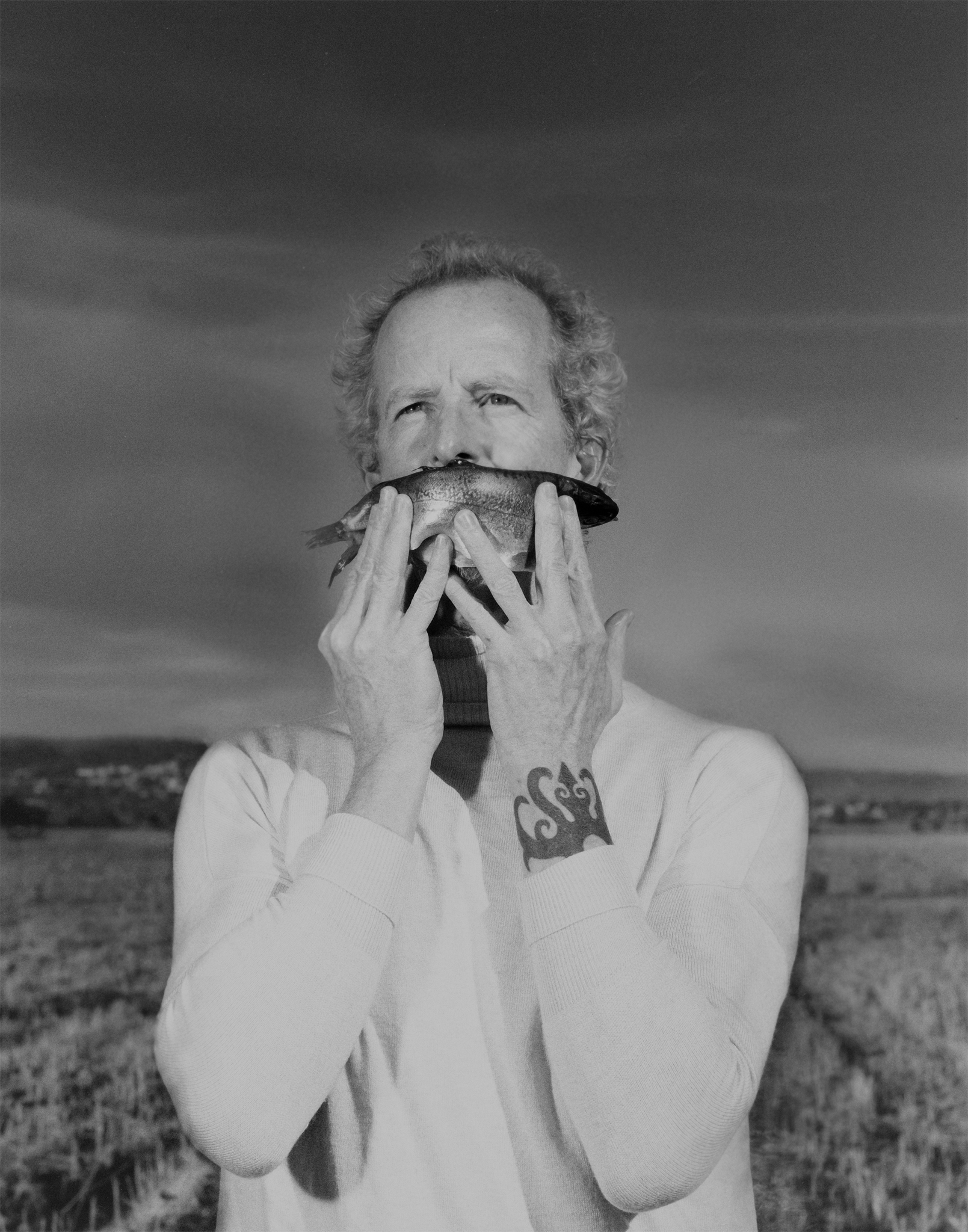
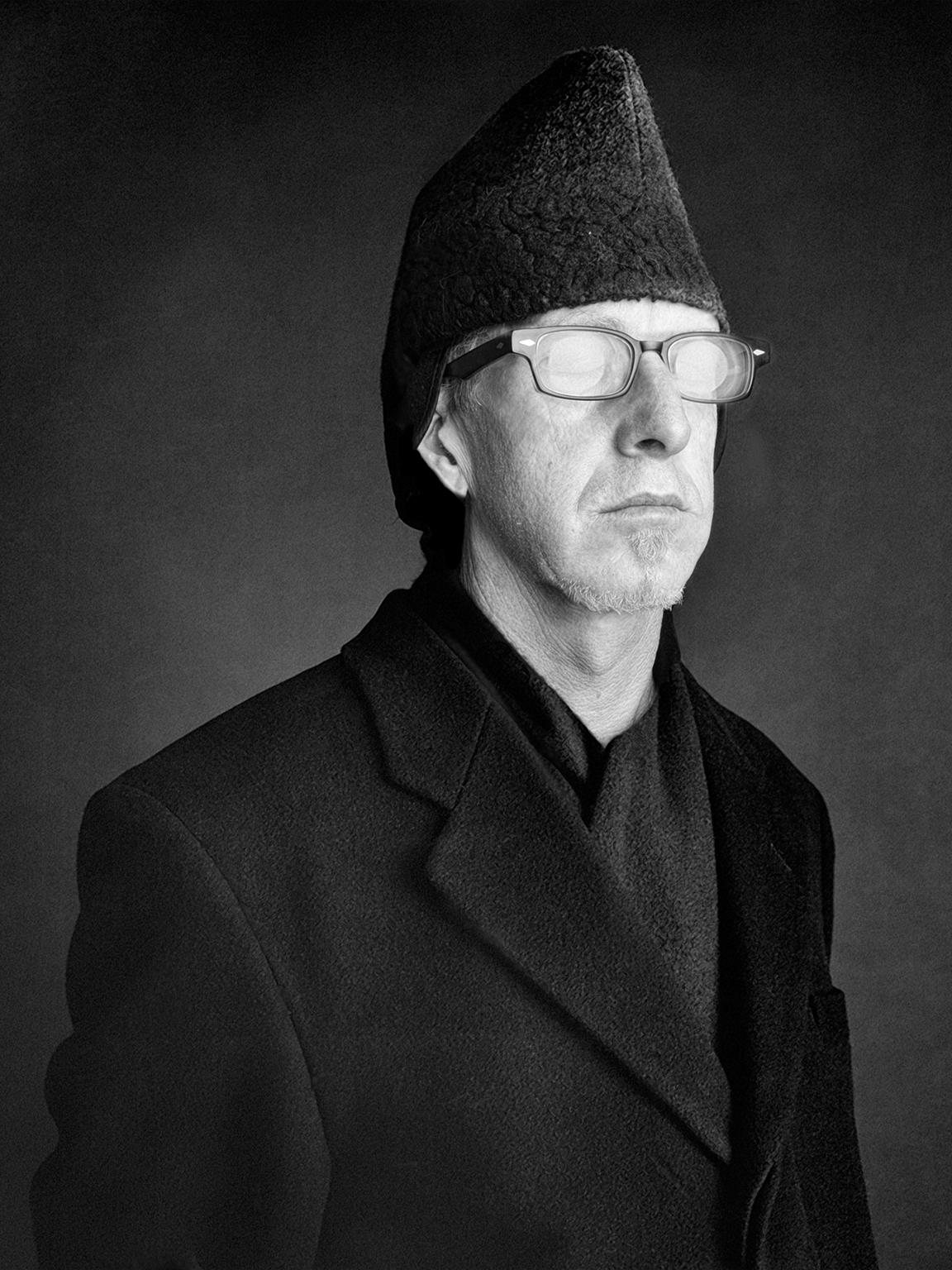
Photographer-i
Sometimes, when I see her—
Diane Arbus in a photograph—
I feel the strange thing that happens
when you’ve looked at someone so long
your looking begins to look back.
Sometimes, I look at the world
and it arrives wearing borrowed jackets,
a sleeve of one artist, a collar of another,
and I’m not ashamed of this,
as if becoming them were a kind of kinship
(a spiritual family, yes, that),
as if the heart is a house
with more rooms than it admits.
Once we agree—quietly, like conspirators—
there are no absolute realities,
what then is “real” but the work
our inner weather does on the street?
Because the modern world—dear god—
is a factory of images,
and images, like language,
keep making and remaking us
while we’re still standing in them,
trying to pin a name tag to the chest
that keeps rising and falling, rising and falling,
and yet, and yet:
everything I meet outside myself
walks through the small bright door
of my internal lens—
my private mythologies, my fears in their sneakers,
my tenderness, carrying groceries,
my hunger for a face that says: I see you.
So it’s a dance, isn’t it,
between the story I tell myself
and the stories the world tells about me,
between the production of the other
and my own narration,
and somewhere in the turn—
in the dip, in the sweat, in the laugh—
a voice happens.
Self-portrait: not vanity, not mirror,
but a conversation with the self
who won’t sit still,
a letter addressed to the stranger in my ribs
and also to you, out there,
to whoever is watching,
to whoever needs proof
that a person can be multiple
and still be one.
This is the dialog:
I raise the camera; the camera raises me.
I say: Here.
The world replies: Here.
We misunderstand each other beautifully.
And then the borrowing:
I take up another photographer’s self-portrait
the way an actor takes up a role—
not to steal it, no,
but to breathe it, to let it move through me
like a song you learn by humming
until your body remembers
the notes were always possible.
I press my cheek to the other’s cheek,
paper to skin, history to pulse,
and I say, with the simplest, hardest faith:
I find myself in another
by finding another in myself,
and in that finding, I revise—
re-imagine, re-write—
the story I live inside,
until my own face,
stitched from so many faces,
begins to look back
with something like recognition,
with something like a yes.